After a string of high-profile random acts of violence in the New York City subway, I interviewed Dr. Virginia Barber-Rioja, the former director of mental health services at Rikers Island, for her take on the troubling trend.
On Monday evening, March 24, a 24-year-old man with a history of mental illness fatally pushed a stranger onto the subway tracks in Harlem in an unprovoked attack. There have been 405 crimes committed in the subway since the beginning of the year, marking a 4.4% increase compared to the same period last year, according to NYPD data. But an analysis from The New York Times shows that violent crime is rare. During a press conference on Tuesday, Mayor Eric Adams, a moderate Democrat and former NYPD, said the city faces a crisis emanating from random acts of violence, mental illness, and recidivism.
“Every time you have someone with a mental illness committing a crime, it’s on the cover of all the major newspapers in the city,” said Barber-Rioja. “The mayor is contributing to this narrative that people with mental illness are dangerous.”
In response to the recent headlines, Gov. Kathy Hochul deployed over 1,000 National Guard members to the subway, and Adams sent a supplementary fleet of NYPD officers. Barber-Rioja said law enforcement may ease surface-level anxieties but will not solve the underlying issue.
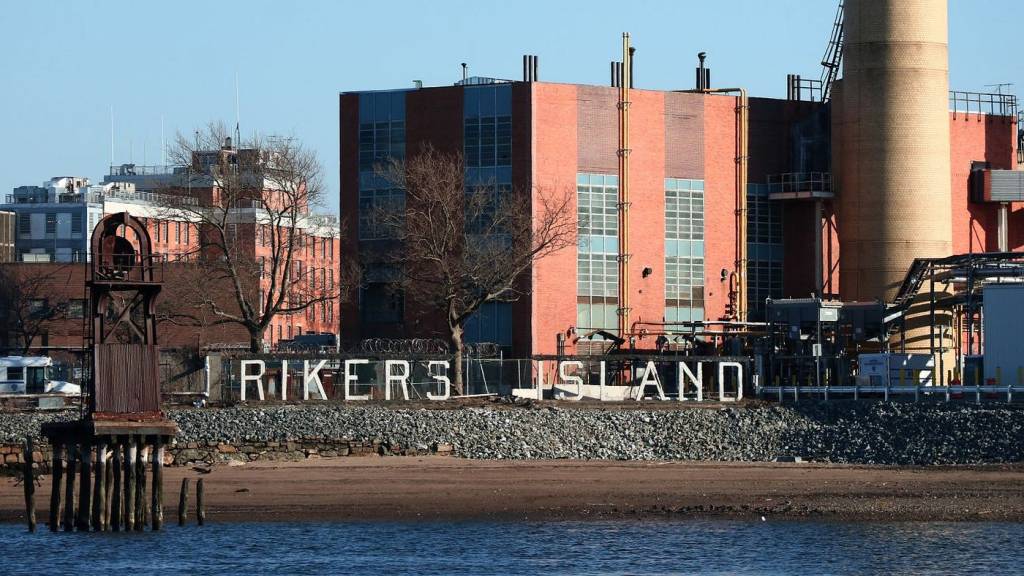
In 2016, under former Mayor Bill de Blasio, Barber-Rioja took over the mental health department at Rikers Island, the second-largest jail in America. “When I took that job, it was like running the largest psychiatric hospital in the state,” Barber-Rioja said.
The U.S. has a long history of mistreating individuals with mental illness. In the 1960s, institutions sprung up across the country to house people suffering from mental illness. “We have a tradition to institutionalize people with mental illness,” she said. “We don’t know how to handle them, so we just put them into institutions.”
In 1971, an Alabama federal court found it was unconstitutional to keep people with mental illness institutionalized for life. In the aftermath, thousands of institutions closed down. “The idea was that people with mental illness were going to reintegrate into their communities,” Barber-Rioja said.
However, once released, many individuals lost access to their prescriptions, and their conditions worsened. As a result, many people landed back behind bars for crimes linked to their untreated mental illness.
“You add risk factors, homelessness, lack of financial support, discrimination, substance use issues, lack of community treatment, and then they end up engaging in violent behavior,” Barber-Rioja said.
In the 1990s, New York City did not provide transitional support for inmates with severe mental illness released from Rikers Island. Many individuals wound up in temporary shelters or sleeping in the streets, exacerbating their symptoms, Barber-Rioja said.
When she took over the mental health department at Rikers in 2016, Barber-Rioja’s primary goal was to secure housing for patients upon their release. She estimates that only 1% of her Rikers patients, roughly half of the jail’s population (approximately 3,500 individuals), had secure housing.
“I used to have fights with housing providers all the time,” she said. “People in the legal system coming out of jails are competing for the same beds as people in the community. And there is a lot of discrimination.”
To fix the flawed system, Barber-Rioja said the city must build more housing, specifically for individuals grappling with severe mental illness after extended periods in jail. Furthermore, she said that Adams should bolster mental health support in marginalized communities. Random acts of violence will continue making headlines until the city meets these needs, she said.
“Mental illness alone is not what, for the most part, causes violent behavior or crime. It’s all of the things that happen to people with mental illness when they don’t have enough resources,” Barber-Rioja said.
 ashley elizabeth miller
Please leave your thoughts!