
Back in 1970, when the New York City marathon first took place, about 100 white men paid a $1 entry fee to run loops around Central Park. Fast forward to today, and the 54th marathon has grown into a global spectacle. Nearly 50,000 runners now pay close to $300 each to compete, bringing in about $15 million in registration fees alone.
My question is — where does all the money go?
A quick Google search shows a large sum of the money goes to logistics: city permits, police and security, hydration stations, medical services. On top of that, every runner receives a bib, t-shirt, and medal upon crossing the finish line. The remaining chunk of change supports charitable groups, many of which partner with the marathon ahead of race day.
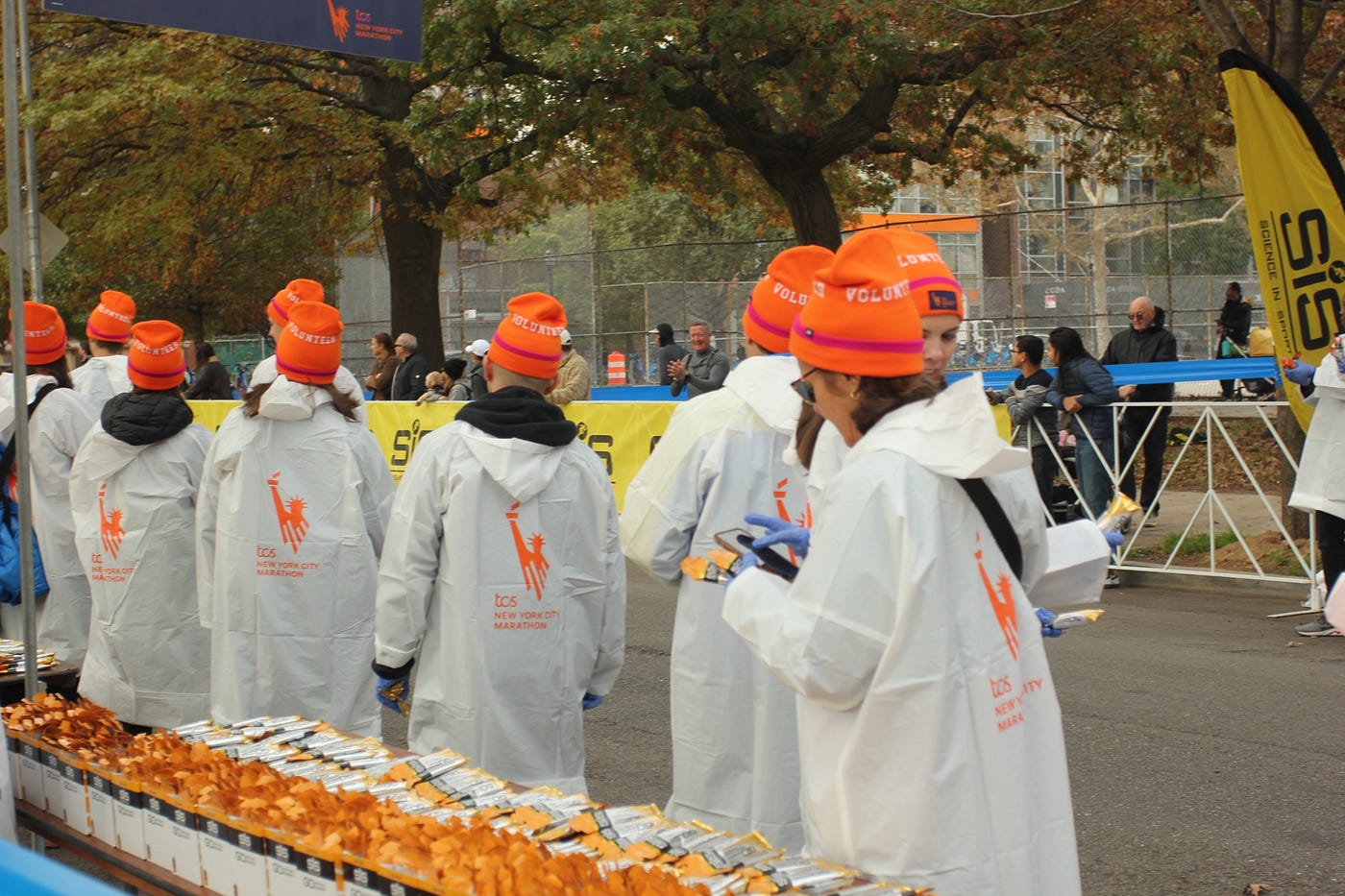
Each November, the marathon is seen as both a spectacle and a nuisance. Some New Yorkers love the energy it brings to all five boroughs, as the 26.2-mile track winds through diverse neighborhoods — starting in Staten Island, ending in the Upper West Side in Central Park. Others, meanwhile, find the road closures and crowds overwhelming.
Love it or hate it, the marathon boosts the city’s economy in a major way. Runners and their families flood in from all parts of the world, booking hotel rooms, loading up on pasta and bread at Italian restaurants, and splurging on brunch once the race is over.
And a growing number of Gen Z runners are participating. Why? Marathon training gives young people a framework to reorient their life around a concrete goal — something to work toward. Many may alter their diets, workout routines and sleep schedules — all of which have positive, long-term effects. And when they cross the finish line, it instills in them a sense of pride and feeling of accomplishment — being a part of something bigger than themselves.
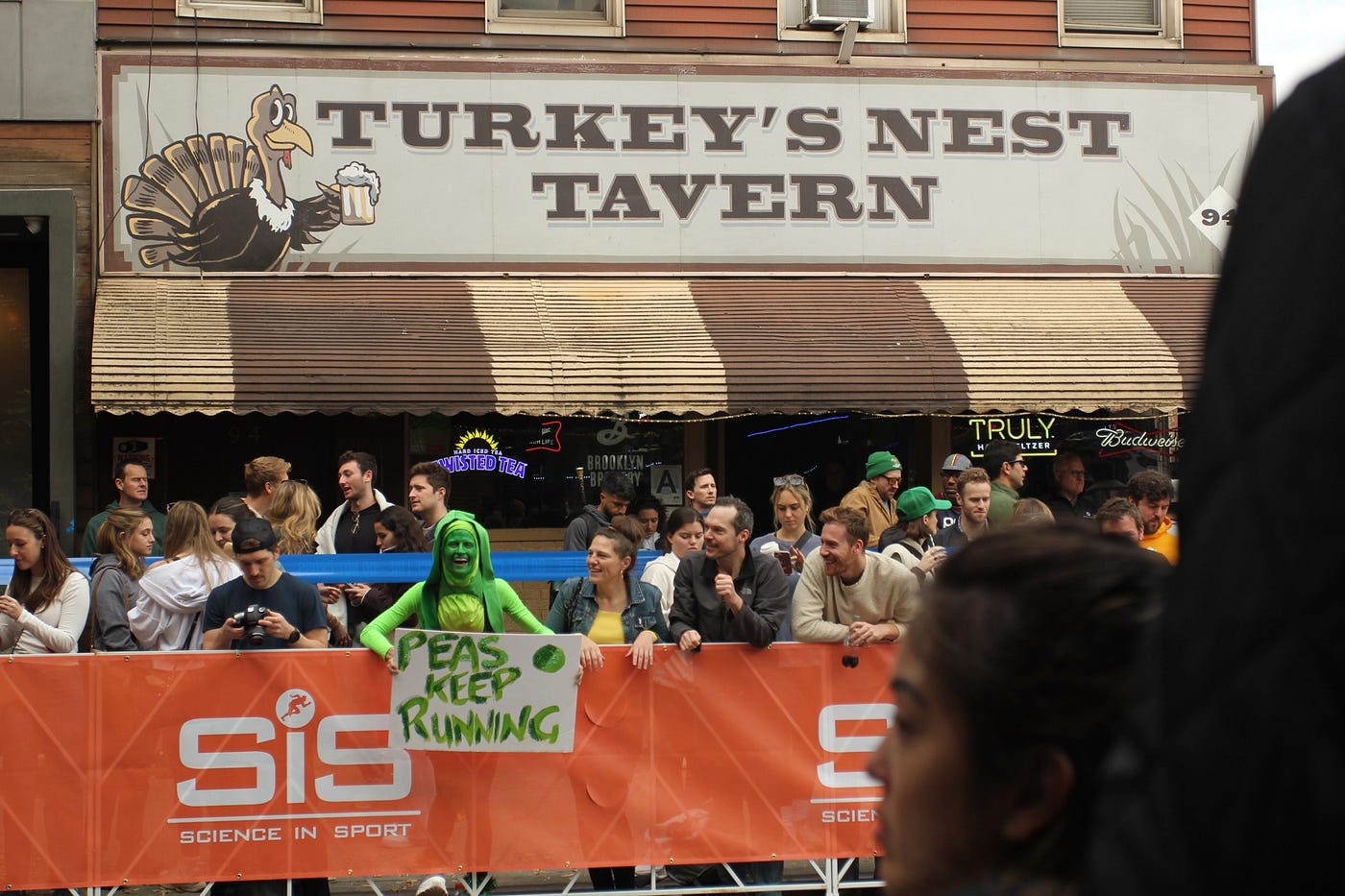
Nothing wrong with that.
In the words of Pink Floyd, Run Like Hell!

 ashley elizabeth miller
Please leave your thoughts!