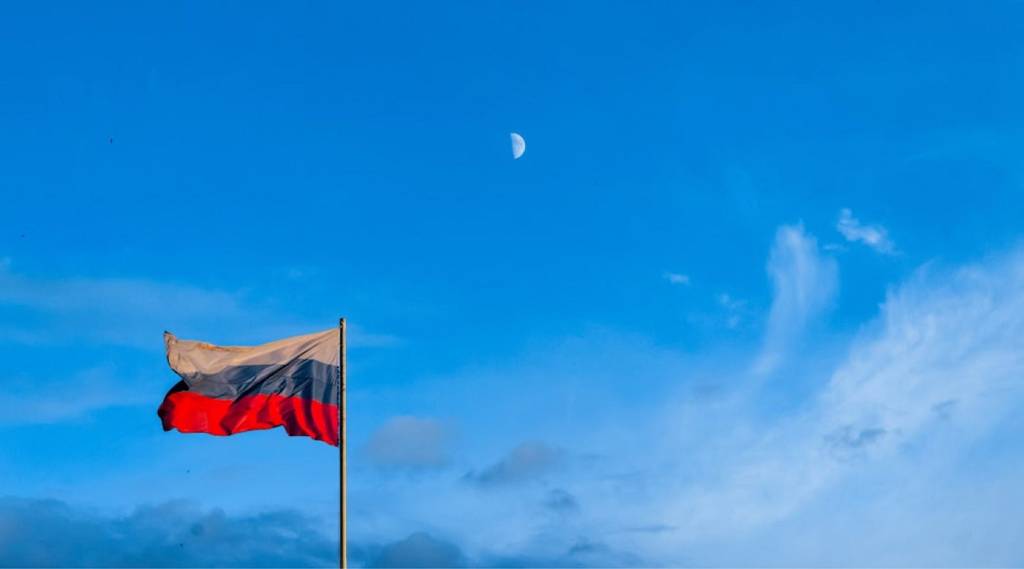
In the winter of 1991 scores of hungry Russians waited in bread lines across the newly independent country. The Soviet Union was splitting up and Russia’s economy was in chaos.
Yeltsin came to power and with him a handful of men — well-placed and well-connected — took what they could: oil fields, steel plants, banks. Thus the notorious Russian oligarchy class was born — not through innovation, but through seizure.
The oligarchs paid to put politicians in power, including Yeltsin and Putin, rewrote laws working to ensure democracy was, as Anne Applebaum put it, “strangled in its crib.” To put it simply: the oligarchs owned the state.

And with Elon Musk on the cover of Time magazine this week, it’s clear to see that we in America are destined for a similar fate.
Don’t get me wrong: the United States is not post-Soviet Russia. But our billionaire class is accruing power in ways that make it feel familiar, so says David Remnick.
Tech bros, for instance, no longer sit back in Silicon Valley, now they have their hands in Washington — pouring money into elections and think tanks to justify their dominance. (While the Citizens United ruling did not create the dark-money system, it did lock it in as law.)
Switching over in history, back to late 18th century France, Marie Antoinette said: Let them eat cake! (Or so the myth says.) I could certainly see Ivanka saying such a thing today, or in a year or so. Wasn’t she the one who told unemployed workers to “find something new” in Trump-term-number-one?
In any case, if wealth keeps rising to the top while anger grows hotter below, the lesson of 1789 may need to be learned again. For elites rarely step aside willingly. More often, they are removed.
 ashley elizabeth miller
Please leave your thoughts!